Making Tax Digital for Income Tax, set up and sent for you.

Sole traders and landlords now keep digital records and send HMRC four quarterly updates a year. We set it all up and send the updates for you, so all you do is keep the receipts coming.

Quarterly updates a year
4
Final return each year
1
Payment date, as now
31 Jan

Certified Xero partners on Victoria Road, Burgess Hill

Tradesman in his van confirming a quarterly update on his phone, receipts on the dashboard
Sole traders
Landlord handing the keys of a terraced house to a smiling new tenant
Landlords

When do you have to join?

From 6 April 2027

Income over £30,000 joins for the 2027/28 tax year, 173 days from now.

  1. 6 April 2026Over £50,000
  2. 6 April 2027Over £30,000
  3. End of this ParliamentOver £20,000, no date yet
  4. No date set£20,000 or less

A new way of reporting to HMRC, not a new tax.

MTD for Income Tax is for sole traders and landlords who report their income through Self Assessment. Instead of one tax return a year, you keep digital records and send HMRC a summary every quarter. A final return at the year end confirms everything.

It doesn't mean you pay tax more often. The main payment deadline stays after the end of the tax year, just as it is now.

Who it's forSole traders and landlordsReporting through Self Assessment
What countsQualifying incomeSelf-employment and property income, before expenses

Read HMRC's official guide

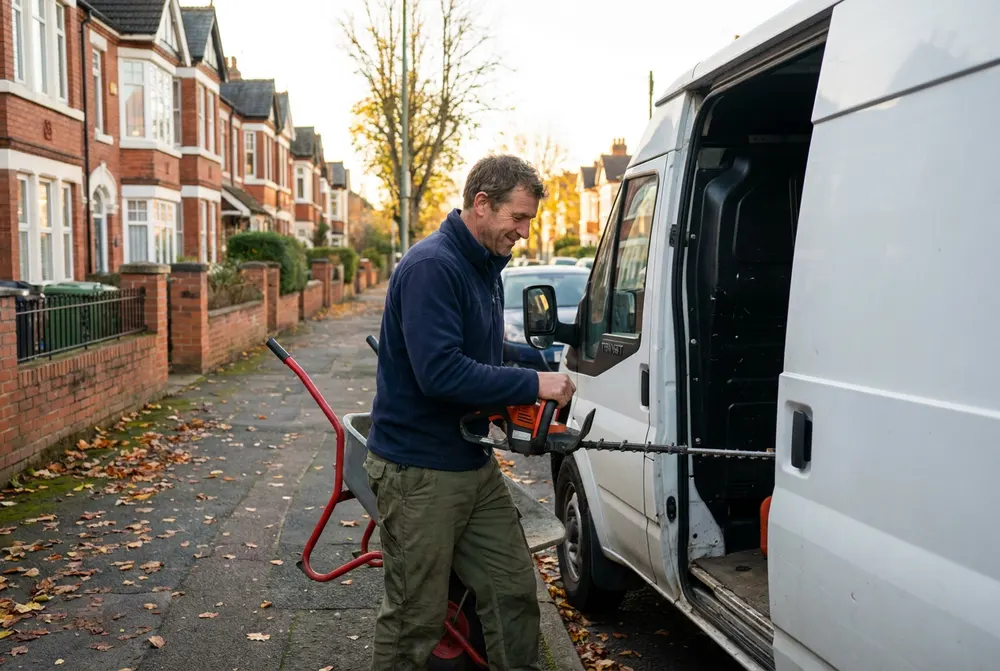
Landscape gardener loading a hedge trimmer into his van on a Sussex street

What actually changes

How often you report Once a year Every quarter, plus a final return
The tax you pay No change
When you pay 31 January, no change

Four updates and a final return.

Each update is due on the 7th, about a month after its quarter ends. Your final return and any tax follow by 31 January.

Tax year 2026/27, 6 April to 5 AprilUpdates sent 0 of 4
7 AugQ1 update
7 NovQ2 update
7 FebQ3 update
7 MayQ4 update
Q1
Q2
Q3
Q4

Digital records

You keep digital records of your self-employment and property income and costs. That means accounting software, or a spreadsheet with bridging software that links it to HMRC.

What we do: Set you up in Xero, or link your spreadsheet, and show you what to record.

Four quarterly updates

Every quarter you send HMRC a summary of your income and costs for that period. It isn't a tax return and it isn't a payment.

What we do: Check the figures and send each update for you, before the 7th.

Software is essential

You or your accountant must use software that works with HMRC's system. Paper records alone aren't enough any more.

What we do: As certified Xero partners, recommend the right tool, from simple bridging software to full cloud bookkeeping.

Year-end finalisation

After the year ends you finalise your figures: tax adjustments, any other income, and your final tax position. The return and any tax are due by 31 January.

What we do: Finalise your return and tell you exactly what to pay, and when.

Q1

6 April to 5 July

6 April day 1 of the tax year

Update due by 7 August 2026

Final returnby 31 January 2028
Desk calendar with several dates circled in red beside a coffee mug and pen
31 January still the day you pay

More has stayed the same than changed.

You'll report more often, but these four things work exactly as they do now.

  • The tax year

    It still runs from 6 April to 5 April.

  • Your final return

    Quarterly updates are summaries. Your year-end return still confirms the tax you owe.

  • When you pay

    The main payment deadline stays 31 January after the tax year ends.

  • Your accountant

    You can still have an accountant do it all for you. That's where we come in.

What should you do now?

Think you'll be affected, or not sure? These are the sensible next steps, in order.

  1. Confirm your position

    Add up your self-employment and property income before expenses, and check when you have to join. Use the checker at the top of this page.

  2. Choose your records approach

    Decide how you'll keep digital records:

    • Full accounting software, such as Xero or QuickBooks
    • Spreadsheets with bridging software
  3. Get set up early

    Don't leave it until the deadline. With your software and routine in place now, your first quarterly update won't be a scramble.

  4. Agree who does what

    Decide with your accountant who:

    • Keeps the books
    • Sends the quarterly updates
    • Finalises the year-end return

Common questions, answered.

Still not sure? Ask us and you'll get a straight answer in plain English.

Does MTD for Income Tax apply to limited companies?

No. It's for individuals who report self-employment or property income through Self Assessment. Limited companies aren't part of it. MTD for Corporation Tax is a separate matter for the future.

I'm under the threshold. Can I just ignore this?

You don't have to join yet. HMRC has already announced that the thresholds will come down, so it's worth getting your record keeping organised now. Good habits make the switch much easier when your turn comes.

What if I'm not comfortable with software or computers?

Some people qualify for an exemption on the grounds of digital exclusion. If you think that applies to you, we'll walk you through the criteria and your options. Not everyone has to comply.

Will there be penalties if I miss a quarterly update?

MTD brings in a points-based penalty system for late submissions. For people who join from 6 April 2026, HMRC has confirmed it won't give penalty points for late quarterly updates in the first tax year, 2026 to 2027. Penalties can still apply for a late tax return or late payment.

Do I pay tax four times a year now?

No. Quarterly updates are summaries of income and costs, not tax payments. The main payment deadline stays after the end of the tax year, usually 31 January.

When do I need to sign up?

Before your mandatory start date. You don't need to start until after you've filed your first Self Assessment return. If you're an Oval Accountants client, we'll guide you through signing up and make sure everything is set up well ahead of your deadline.